

Port Blakely: Mass Timber Sourcing Drives Forest Management Practices, editorial by President Mike Warjone
Product Specification Can Influence Forest Management
For those of us who grow and manage forests, the value of mass timber is not simply measured by the volume of wood it uses. Compared with established markets such as dimensional lumber, mass timber is still a relatively small part of the overall wood products industry. From a forest manager’s perspective, its greater potential may be in creating or increasing demand for certain types of wood, or wood from specific sources.
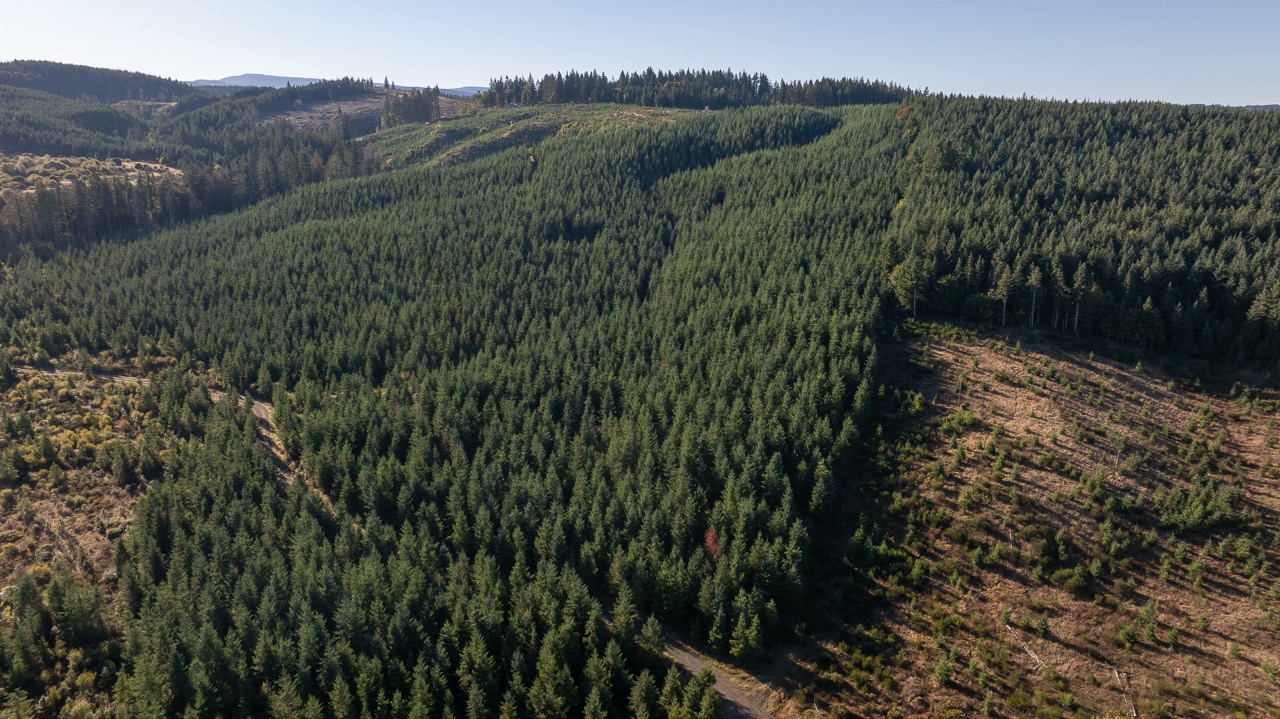
With adequate demand, thoughtful material selection decisions can begin to influence forest management by supporting and bringing greater visibility to good forest stewardship. When design teams intentionally specify products that depend on specific log sizes, wood characteristics, or fiber sources, forest managers have more reason to consider the practices needed to produce them. We saw this firsthand at the Children’s Museum of Eau Claire, where WholeTrees Structures worked with our foresters to select 230 Douglas-fir logs from our Winston Creek Carbon Forest for the building’s joist and girder trusses. The logs met the structural needs of the system while providing traceable wood from a single-origin, SFI-certified forest, showing how thoughtful sourcing can connect a building project with the forest management behind its materials. Decisions like these may help support extended rotations, commercial thinning, critical forest restoration work, or other management activities. These decisions may help support extended rotations, commercial thinning, critical forest restoration work, or other management activities. Those practices can in turn support other forest values, including carbon storage, wildlife habitat, clean water, wildfire risk mitigation, and more.
Central to Port Blakely’s forest stewardship in the U.S. is our commitment to manage more than 50,000 acres on rotations averaging 60 years or more. Stands of Douglas-fir grown to this age produce a greater proportion of high-density, high-strength fiber than those grown on shorter rotations. Longer rotations come with added costs, making markets that pay a premium for this wood crucial. Large dimension timbers, crossarms, and products such as Douglas-fir lamstock can only be cut from trees with certain size, quality, or density characteristics that take time to develop.
The opportunity is not limited to larger trees and older stands. Small wood, secondary species, and low-value fiber in general can all benefit from continued growth of mass timber markets and related new product development efforts. Some of this wood is removed from the forest during thinning operations. At Port Blakely, the decision to thin is often based on balancing silvicultural objectives with available markets. If markets do not exist, taking this action at scale is challenging. For other landowners, thinning may support objectives like forest restoration or wildfire risk mitigation. Markets are critical to this work as well. In dry forests east of the Cascade crest, cross-laminated timber has helped support this work, and while it’s not the whole solution, it can help. We have seen this play out through the Mill Creek A to Z Stewardship Project on the Colville National Forest, where lumber from restoration treatments was manufactured into cross-laminated timber for Oregon State University’s Edward J. Ray Hall.
Infrastructure is Critical
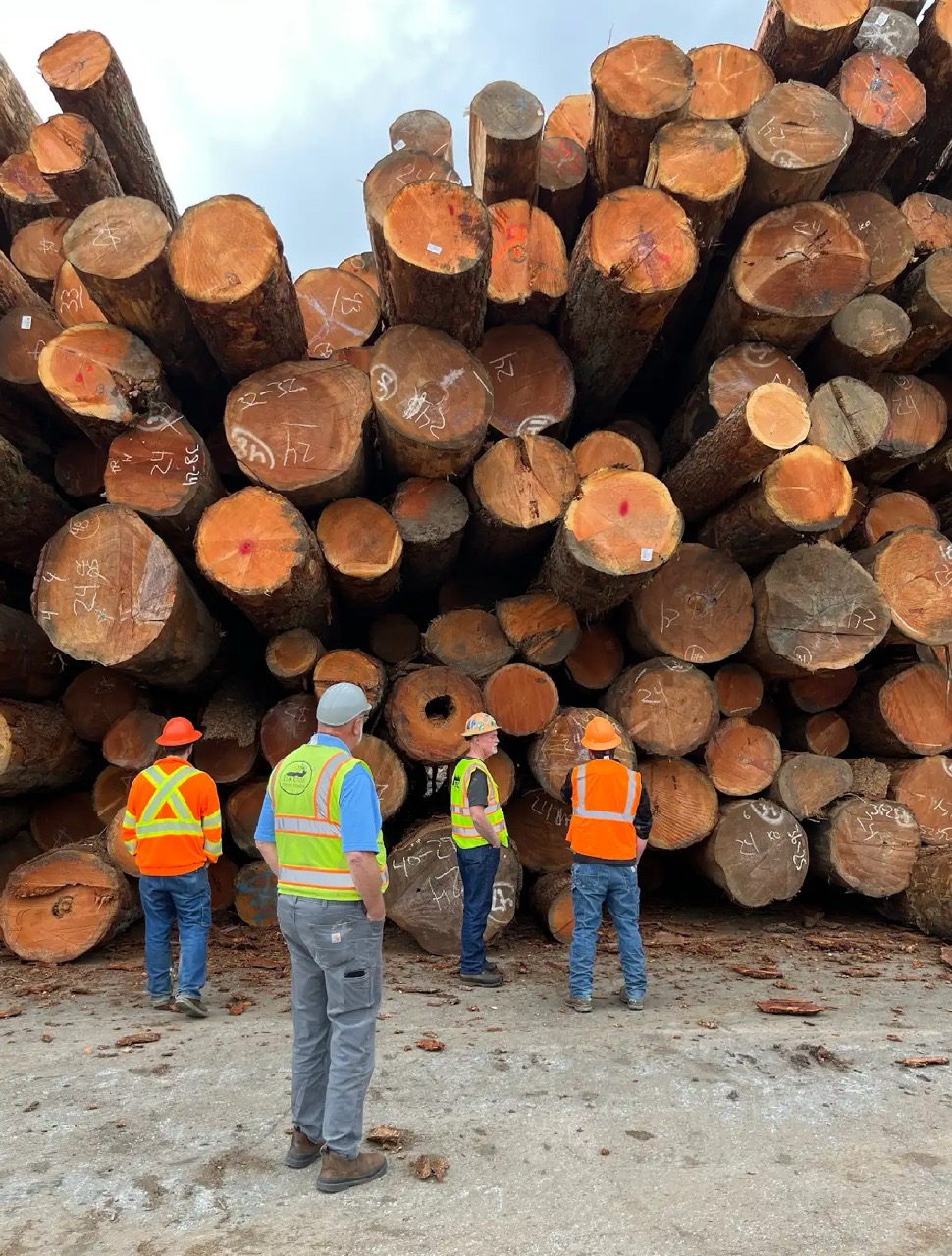
Our forest stewardship, along with the work of other forest managers, is only part of the equation. We need logging contractors, transportation, and adequate mill infrastructure to process logs into products that mass timber manufacturers can use. Perhaps most importantly, we need specifiers who understand the interdependencies and intricacies of the supply chain. Regional sourcing is a natural, but not always easy, first step in focusing on the upstream impacts of material selection on specific forests, mills, and manufacturers. Without the necessary infrastructure, however, the market benefits of intentional sourcing may never reach the forest.
Regulation, Certification, and Transparency
It’s not only up to the specifiers; the forest industry has a role to play as well. Washington’s robust State Forest Practice Rules and the voluntary third-party certification taken on by many landowners provide an important foundation and give project teams credible ways to assess responsible sourcing. They do not, on their own, answer every question about where wood comes from or the practices behind it. That takes openness, credible information, and direct conversation across the supply chain.
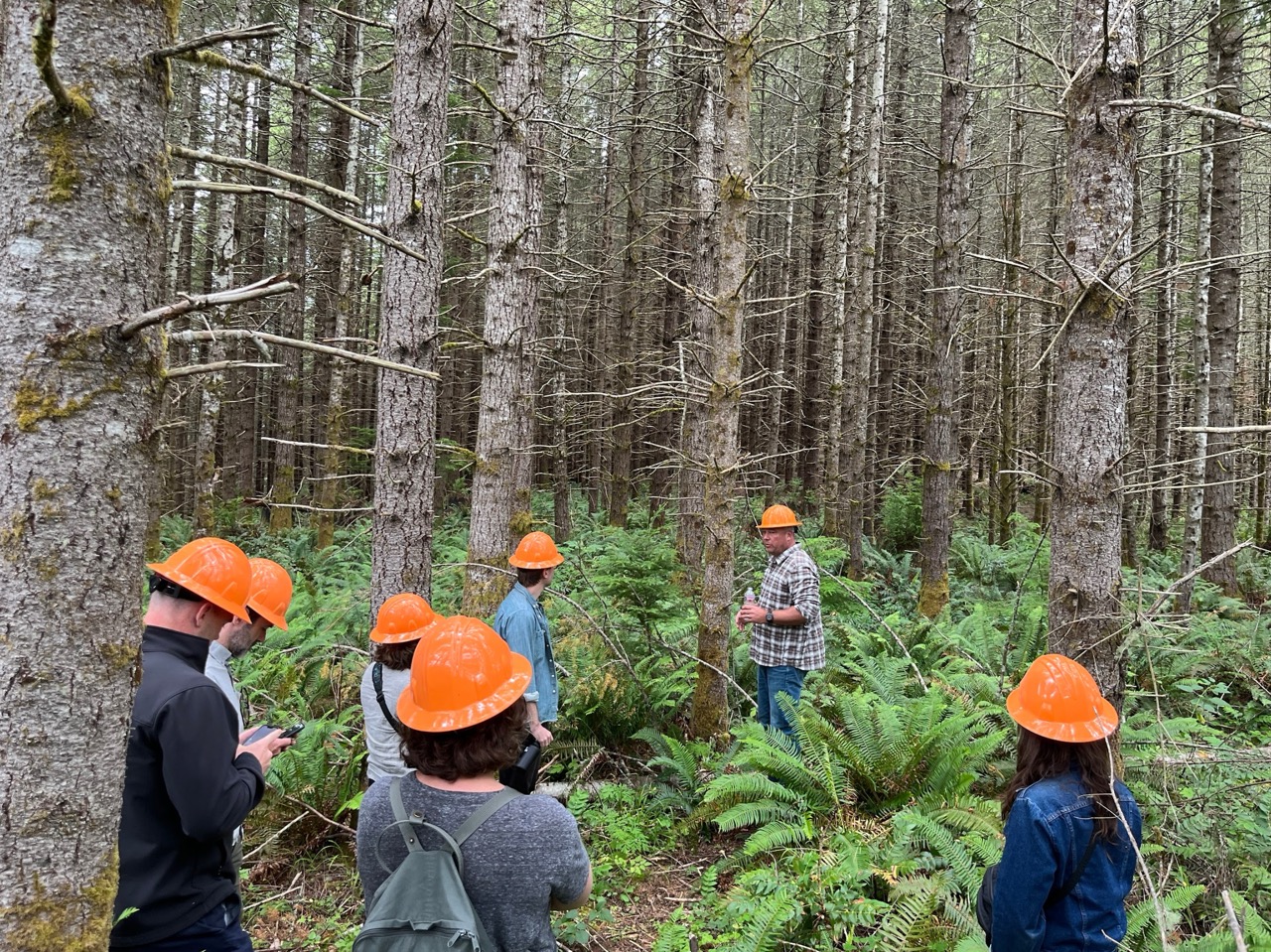
Port Blakely has hosted forest tours for AEC professionals for several years, and for us, this is where transparency begins. It means welcoming visitors into our forests, explaining our practices and markets, and discussing the tradeoffs involved in simultaneously managing timber production, wildlife habitat, water quality, carbon sequestration, and more. There is often an “aha” moment when visitors stand among trees of different ages and begin to see the connection between the forest and the products they specify. A choice between a solid-sawn 2x12 and an engineered alternative is no longer abstract. Visitors can see how that choice relates to the size and age of the tree, when it is harvested, and how the forest is managed. That exchange can lead to a closer collaboration between us as forest stewards and those specifying and building with wood. But direct conversation is only one part of transparency. AEC professionals also need credible data to understand and communicate the environmental impacts of the wood products they select.
Forests and Carbon
One of the most important impacts to understand is carbon. Forests remove carbon dioxide from the atmosphere, and wood products can continue storing that carbon throughout the life of a building. Understanding their carbon impact also means accounting for the emissions associated with forest management, harvesting, and treatment.
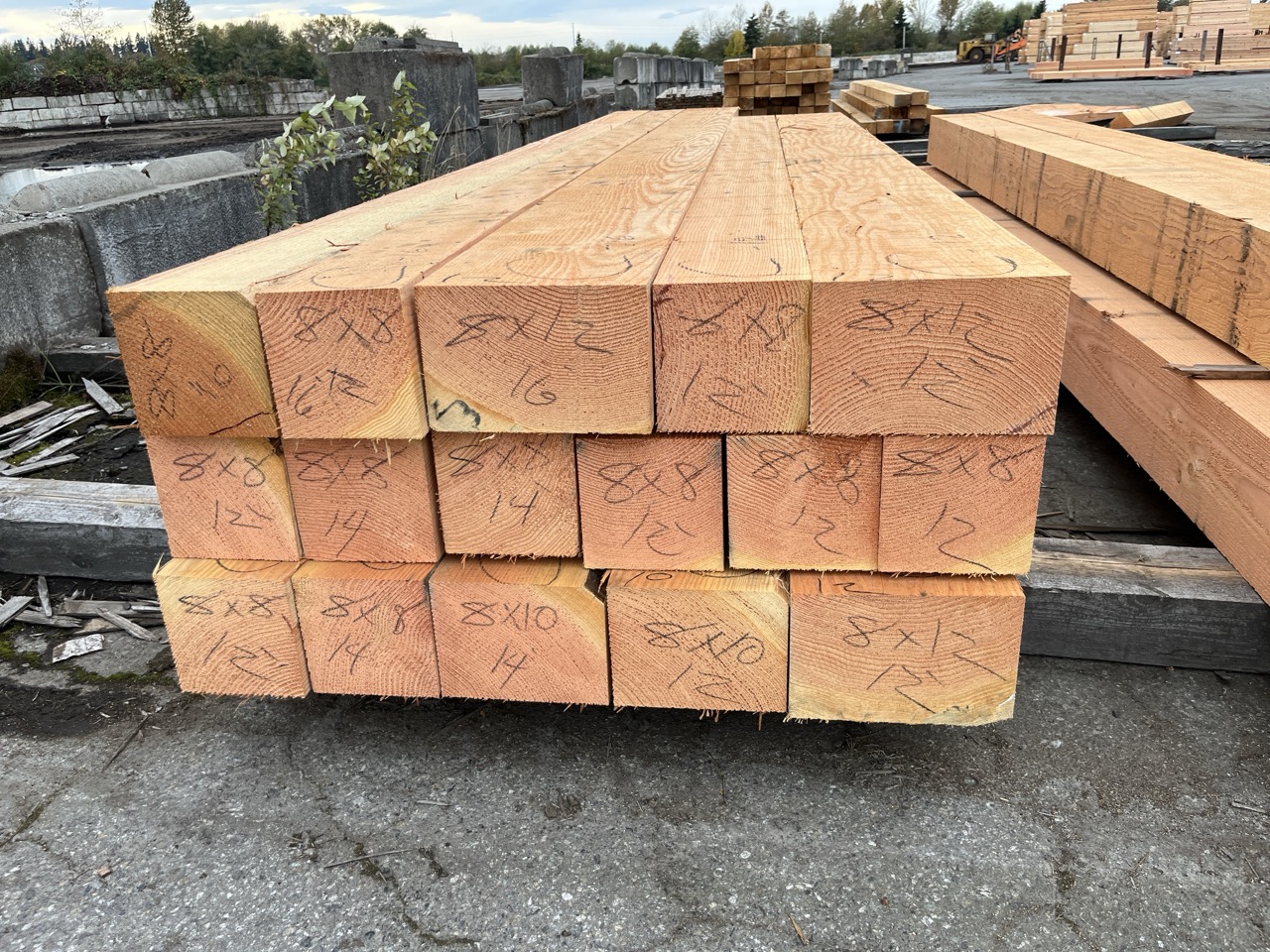
Using data from our own forest operations, we recently completed a life cycle assessment (LCA) that found approximately 15 kilograms of carbon dioxide equivalent are emitted in growing, managing, harvesting, and transporting to the mill enough wood to produce one cubic meter of solid sawn timber. By comparison, that same volume of wood stores approximately 500 kilograms of carbon dioxide equivalent. The results were then used to develop an Environmental Product Declaration for Douglas-fir Solid Sawn Timbers. Having our own LCA data provides us with a baseline for future improvement and gives AEC professionals another tool for understanding and communicating the impacts of their product selections.
As we see it, there is a clear opportunity for regional sourcing to foster collaboration and shared growth between mass timber and the forest industry. Thoughtful specification can help build and sustain markets that support a range of beneficial forest management outcomes. In return, the forest industry can provide transparency, credible information, and collaboration that architects, engineers, and builders need to use wood with confidence.
───────
Mike Warjone is CEO of Port Blakely, a family-owned forestry company headquartered in Washington. He has nearly 30 years of experience managing working forests and helping connect forest stewardship with the markets that depend on wood products. Learn more about Port Blakely’s working forest tours and continuing education programs and the Douglas fir Solid Sawn Timbers Environmental Product Declaration.