

Kalesnikoff Mass Timber: A Conversation with Andrew Stiffman, VP of Construction Services
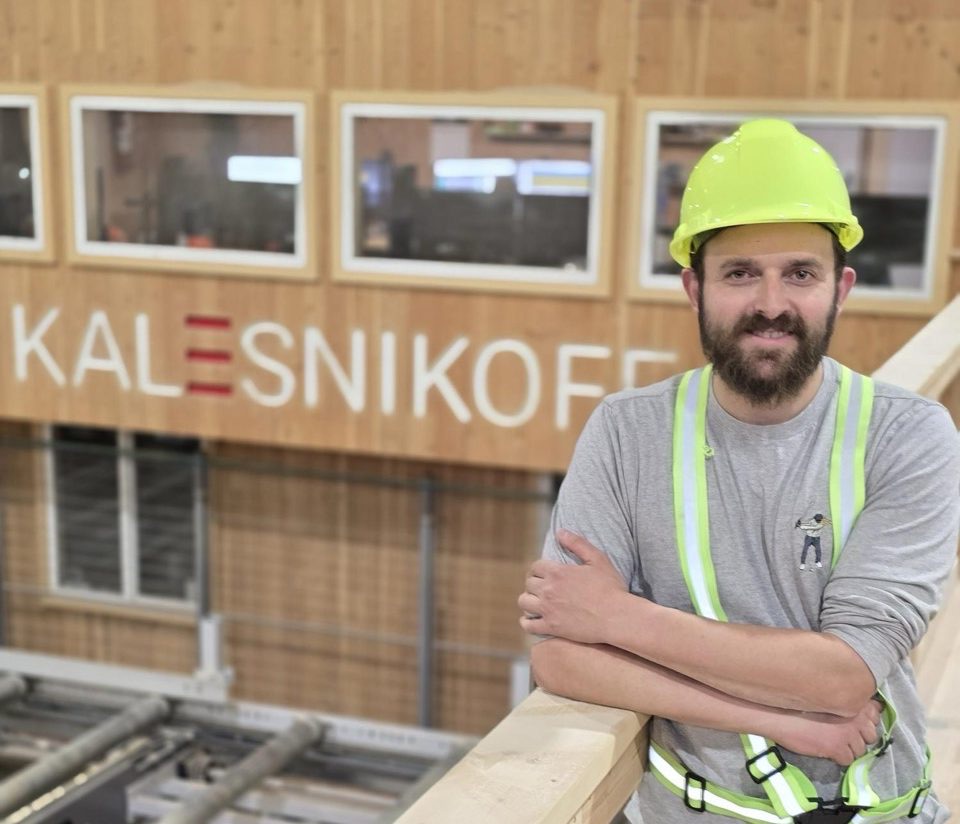
From humble beginnings cutting down firewood to becoming a vertically integrated mass timber manufacturer and construction partner, Kalesnikoff has built its reputation on turning ambitious mass timber ideas into practical, high-performing buildings.
In this illuminating conversation, VP of Construction Services Andrew Stiffman discusses mass timber’s evolution from niche showcase material to a commercially competitive system; revealing the growing power of 3D coordination, modular delivery, and the design discipline behind beautiful, replicable schools. Projects of note include Seattle’s Alki Elementary, Asa Mercer Middle School, and Van Asselt Elementary, and BC’s Langford Childcare and Art Studio, the first commercial modular volumetric building in North America. This conversation shares timely insights on regional wood sourcing, wildfire mitigation, project economics, and why buildings designed to be loved, and preserved, may be the most sustainable legacy of all.
MASSTAC: Tell us about Kalesnikoff Mass Timber. What does the company specialize in, and what is your approach to supporting projects?
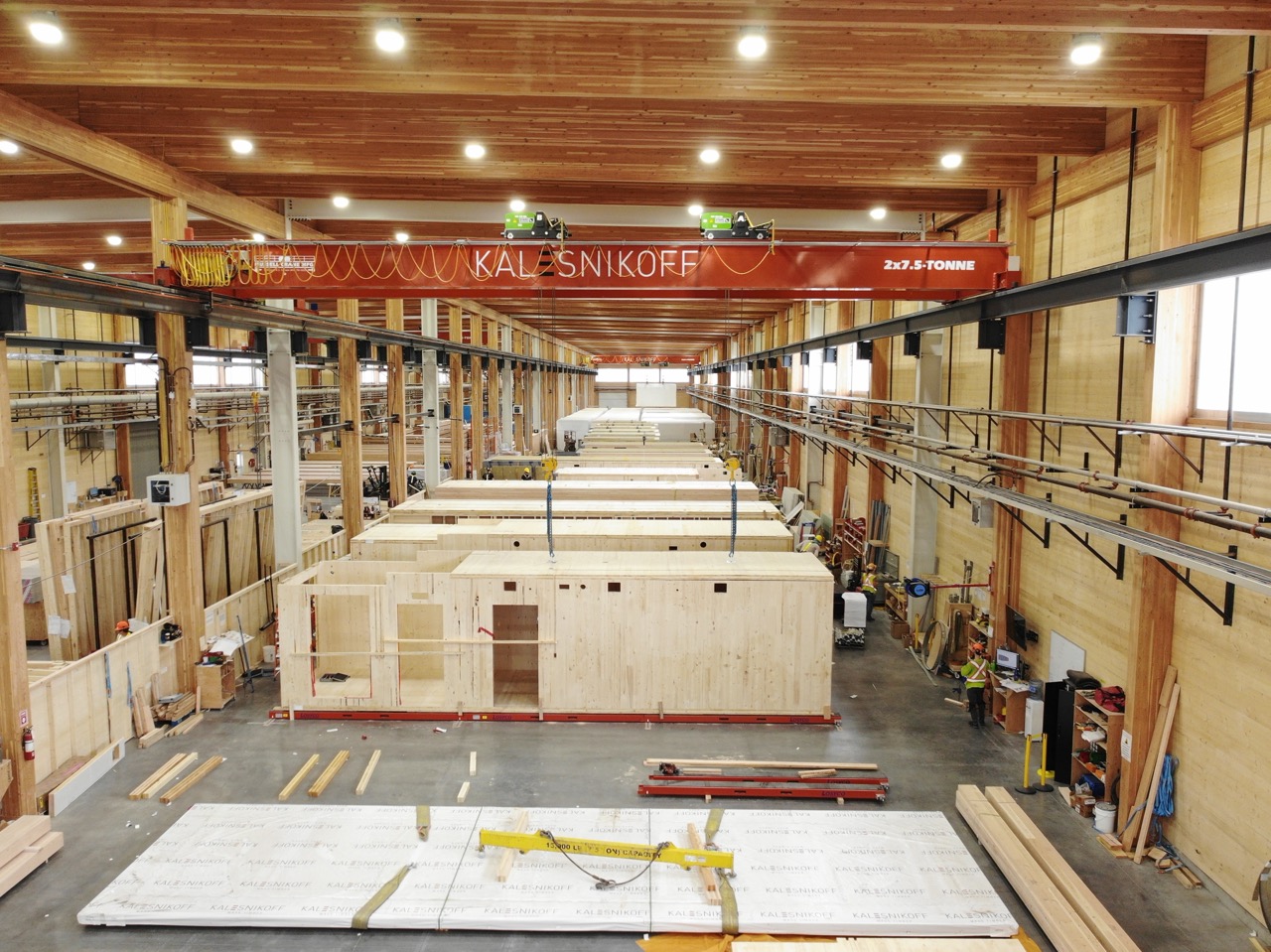
ANDREW STIFFMAN: The company started very humbly, cutting firewood for a wood-fired refinery. That turned into a sawmill, which turned into a specialty remanufacturing facility. Once we started making our own mass timber products, we learned quickly that you can't just manufacture CLT and glulam and wait for orders to come in. So we started a construction company that included all the pre-construction, fabrication, coordination, and design services to actually get those products into customers' hands in a usable form. Philosophically, the company is very customer-centric and solutions-focused: what are the problems our customers are having, and how do we build the organizational intelligence to solve them?
MASSTAC: How have you witnessed mass timber project delivery evolving since KMT was established?
ANDREW STIFFMAN: Going into year seven of making mass timber, we've seen a lot of really positive change. Mass timber has gone from being perceived as esoteric, risky, and niche — where every project was a showcase on the president's desk — to a point where some projects are just normal, subject to the same commercial constraints as steel, concrete, or wood frame. That signifies increased adoption and a broader knowledge base across the industry.
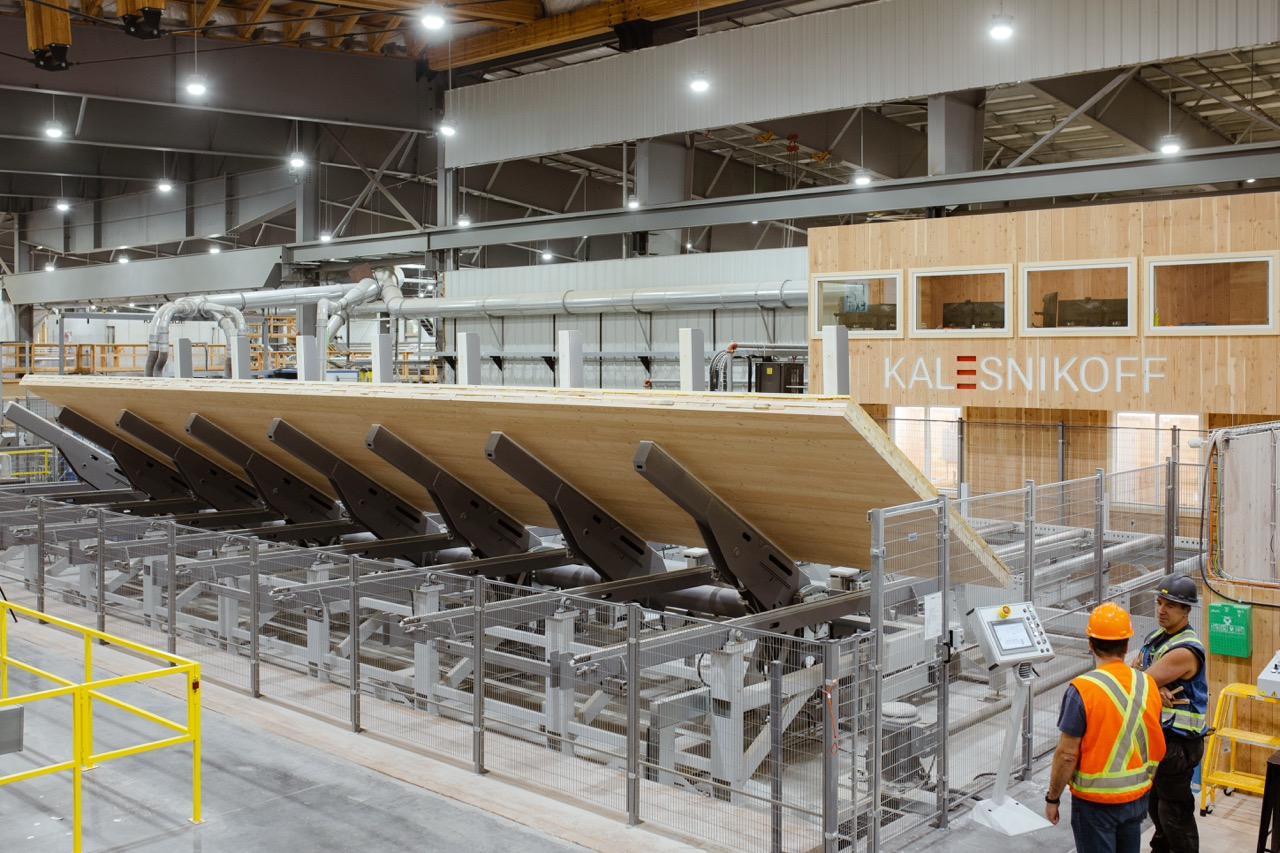
We've also gotten more comfortable as an industry working in three dimensions. Mass timber is an industrialized form of construction driven by 3D models and CNC machines, and where architects and engineers once resisted engaging with that model, we're now seeing much more collaboration around it.
The third evolution is where we're heading now: modular. We kept delivering beautiful, efficient timber buildings that then faced challenges with moisture management or MEP coordination in the field. Modular lets us capture more of the value chain and do more in a factory-controlled environment to offer a more complete solution.
MASSTAC: Tell us about a K-12 project you are proud of, and why it was meaningful to you.
ANDREW STIFFMAN: Three projects come to mind: Alki Elementary, Asa Mercer Middle School, and Van Asselt Elementary, all within the Seattle Public School District. What I love about those projects is the balance of being lean, economical, and risk-mitigated while also being beautiful, inspiring, and exemplary spaces. I have two young kids, and I would love for them to go to school in any of those buildings.
What makes them stand out isn't technical complexity — it's discipline. The repetitive nature of the design, the lateral system based on steel rather than wood for seismic performance, the thoughtful economies throughout: those were all deliberate choices that made the buildings both achievable and replicable. Some of the other elementary schools we've delivered are technically extraordinary -- among the most demanding buildings I've ever seen -- and we're proud of them. But I keep coming back to the question: is that what we should be proposing to get more wood into school buildings? Those three Seattle schools show what you can accomplish when design discipline meets beautiful materials, and I think that's an important model for the field.
MASSTAC: What is a project delivery consideration that is unique to schools? How does KMT address it?
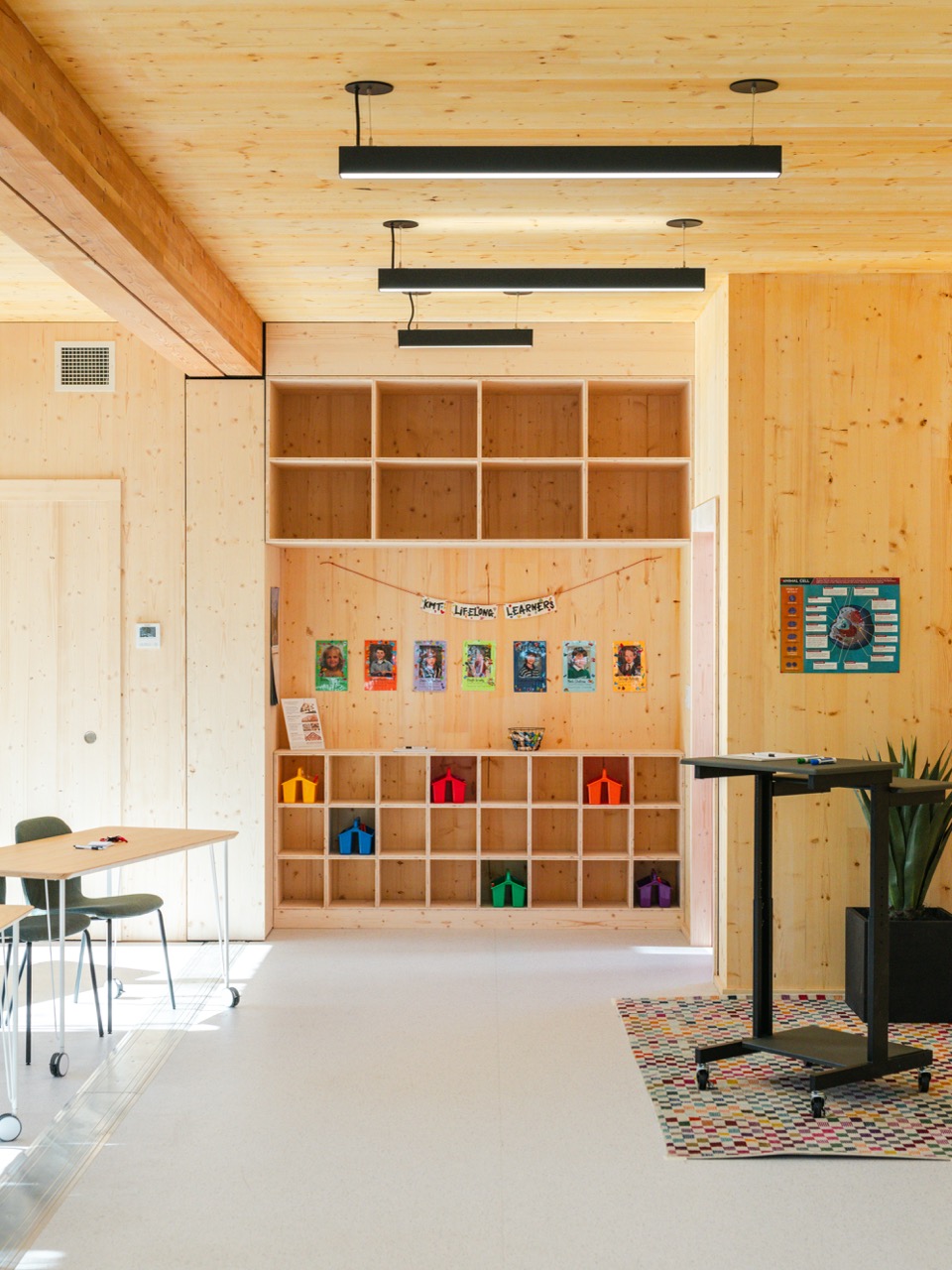
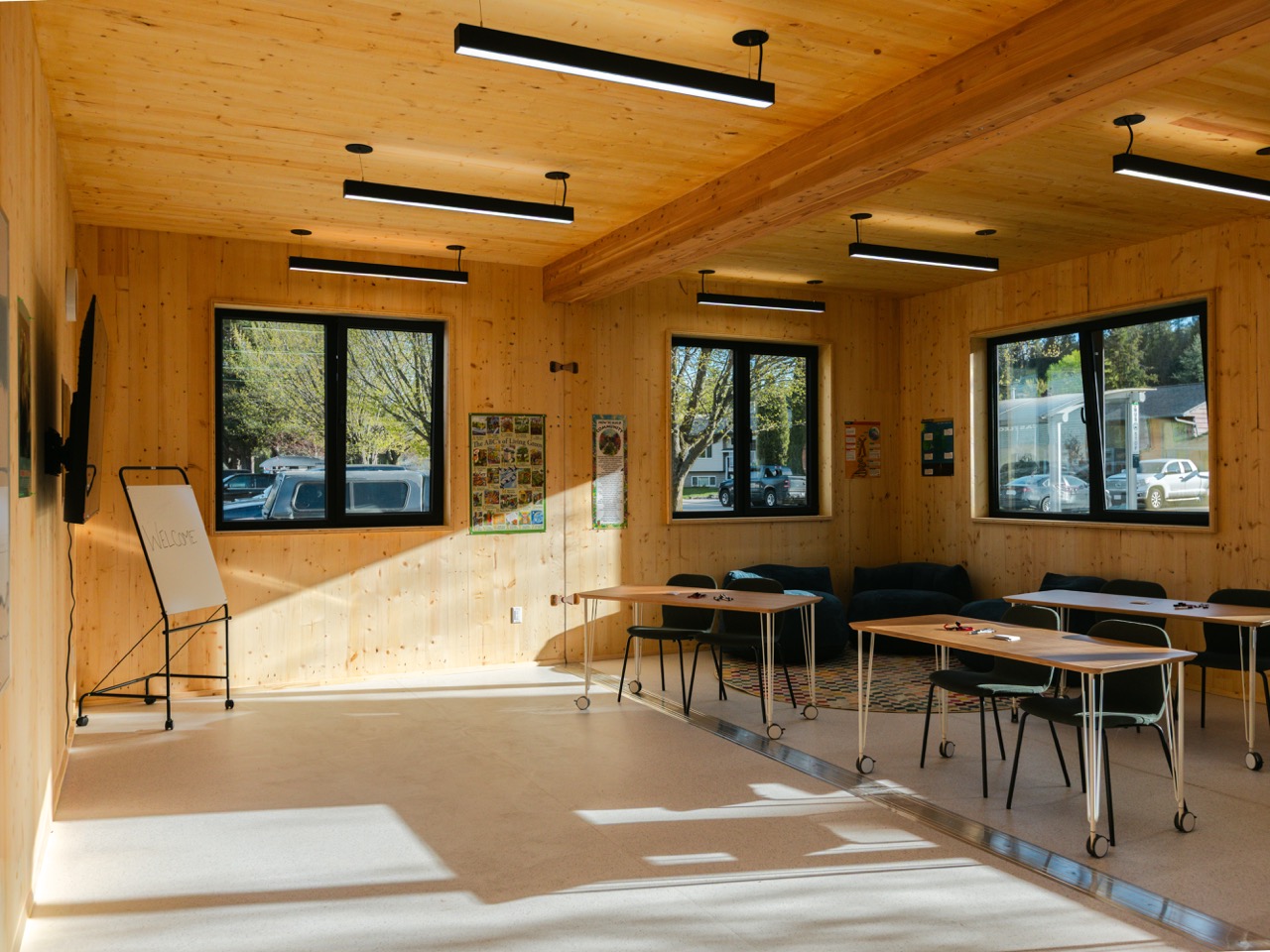
ANDREW STIFFMAN: One thing we've come to understand is the capital planning, financing, and funding cycle of school delivery. The key question is: what is the timeline from when design can be released and contracts issued to when kids need to be in seats? That's the reality school districts operate within, and it's a big part of why we've established modular classrooms as a strong solution for when schools don't have the time or budget for a ground-up build, but still need more space. In the past, that need has been met with portables, which I would argue are among the least inspiring learning environments a child could spend eight hours in. Our modular classroom offers a meaningful middle ground: largely pre-designed, with some customization available, beautiful mass timber throughout, and ready to go right now.
We also try to be good stewards of how customers spend their capital. The three Seattle schools I mentioned will be far more cost-effective on a per-square-foot basis than some of the more complex projects we've seen designed for elementary schools. And ultimately, it's not just the district's money -- it's taxpayer dollars. We try to direct teams toward approaches that demonstrate you can have an amazing mass timber building at a variety of price points.
MASSTAC: With your background in building performance, how do you see mass timber buildings as a smart, secure investment that serves communities for generations?
ANDREW STIFFMAN: You can build a high-performance mass timber building, and you can build a poor-performance one -- just as with any structural system. So even as a mass timber manufacturing subcontractor, I always encourage our team to take an interest in details outside our strict scope. If we see a waterproofing detail that seems suspect, or exposed mass timber edges in a high-rain environment that we know won't weather well, we put our hand up. We want customers to be happy with the building as an asset for many years to come.
But I think the deeper point is this: if we build beautiful buildings, we are more inclined to maintain them and value them for many years. That is probably the most sustainable thing we can do.
There's a water treatment facility in Toronto, the R.C. Harris Water Treatment Plant, that is an Art Deco masterpiece. People refer to it as the Palace of Purification, and families visit for picnics because it's so beautiful. That building has lasted for so long partly because it's such an important part of the urban fabric. I think we can do the same thing with the buildings we're building now.
MASSTAC: Why did Kalesnikoff develop a modular mass timber classroom, and what opportunity do you see for delivering these at scale across the region?
ANDREW STIFFMAN: The classroom is part of a broader new business vertical in modular construction. Simply put, we're taking the same mass timber products we've been making for seven years, but instead of shipping them flat-packed for others to assemble, we're assembling them into modules — roughly 10 to 12 feet wide by 30 to 60 feet long — with different programs inside. Classrooms are a key initial use case.
Something our industry sometimes resists hearing is that repetition and standardization are tremendously valuable, especially in modular, where you're working in an assembly-line environment. The purchasing, the production, the design efficiency: the benefits of standardization compound quickly. We started by developing a few concept designs and building them to show what we could do. For the classroom, we took a standard classroom expansion model being deployed across British Columbia, made some common-sense modifications while preserving what code requires, and timberized it — shifting the structure from stick frame to mass timber and adapting the building systems and enclosure from there. The result is a product that's ready to go right now, either as a standalone unit or aggregated into a larger cluster with a site-built corridor and amenity space.
The economies of scale here are real. We can currently manufacture two modules per day. If a school district orders classrooms across multiple facilities, we can negotiate better pricing from vendors, design costs get amortized across more units, and the manufacturing line gets more efficient. More orders benefit everyone.
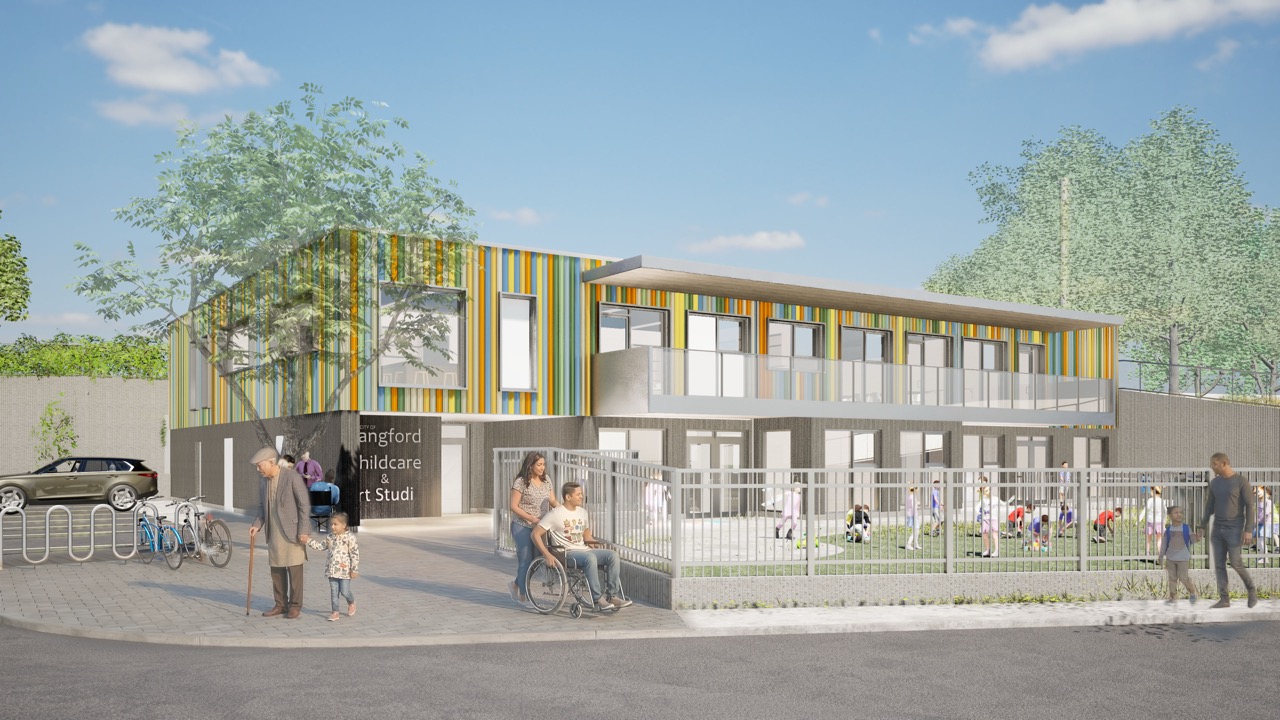
We're currently delivering a preschool and daycare in Langford, British Columbia, and we have a second project coming with the same district — our first repeat modular customer, which we're really excited about. We also have strong interest from projects on both sides of the border, and the modular technology has already been applied to workforce housing, transitional housing, developer fourplexes, and single-family homes as well. The range of applications is broader than people might expect.
MASSTAC: Can you tell me about KMT’s wood sourcing strategy? To what extent are you seeing school districts specify where the wood comes from?
ANDREW STIFFMAN: We're seeing a heightened interest in wood sourcing from the design community, and we're strong supporters of that direction. It's important for the industry to understand that mass timber is a forest product — the products we make are a function of the trees we process to make them. We're vertically integrated: we own and operate a sawmill, and the forestry operations that supply it are regional to that mill. We've been harvesting in those areas for over 85 years, and we encourage specifiers and owners to come out and see how we practice sustainable forestry.
That said, we do remind people that forestry is a hyper-regional industry. A sourcing specification that worked well on one project might not be directly applicable to another depending on where the wood originates — and that doesn't mean the wood is coming from a problematic place. It means you need to engage below the surface level to understand what's actually happening. We're very supportive of teams with fiber sourcing goals, and these goals are best achieved through collaboration. Architects who want to put something in their spec have a responsibility to be part of the solution, not just write a hard-line requirement and leave contractors to figure it out.
On wildfire: forest management plays a real role in wildfire risk mitigation, and we live that firsthand as a company. We've had harvesting areas burn in past years and expect that to continue increasing. Logging done in an environmentally and contextually sensitive way can absolutely be part of a wildfire risk reduction strategy — it's not a binary of 'logging is always bad' or 'logging is always fine.'
One thing Ken Kalesnikoff always says is worth keeping in mind: to make mass timber, we do have to cut down trees. Some people aren't comfortable holding both things as true at once — that mass timber offers real environmental advantages and that it requires harvesting. But because of our vertical integration, we see the whole value chain. You can't put blinders on to any part of the process.
───────
We invite you to connect with Andrew Stiffman to learn more about how Kalesnikoff Mass Timber might be able to support your mass timber projects.