

Building Housing Differently: A Conversation with Craft Contracting & Consulting
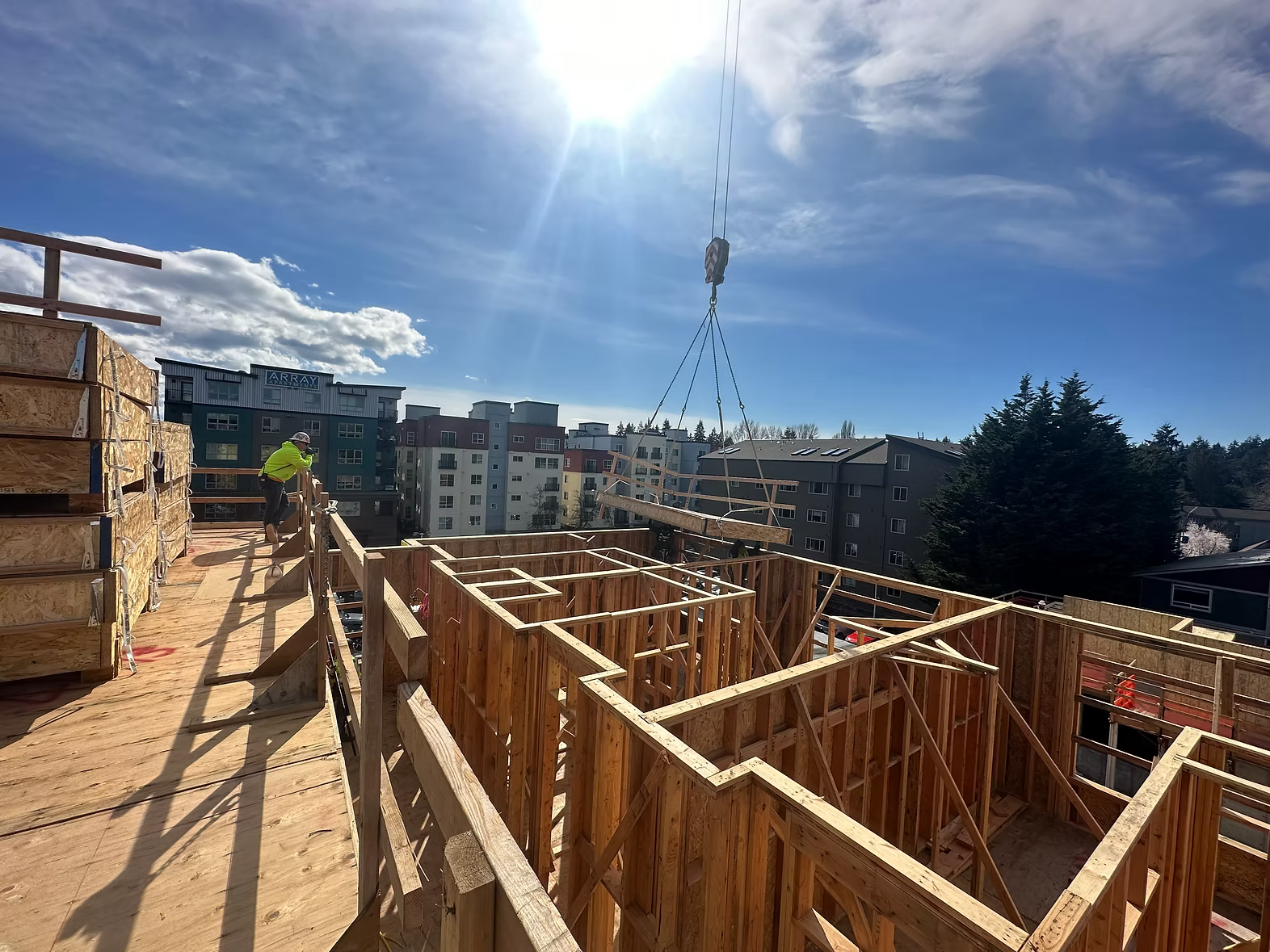
Washington State can't build its way out of a housing crisis using the same methods that created it. Craft Contracting & Consulting, a women-owned construction firm based in the Pacific Northwest, is betting on a different approach.
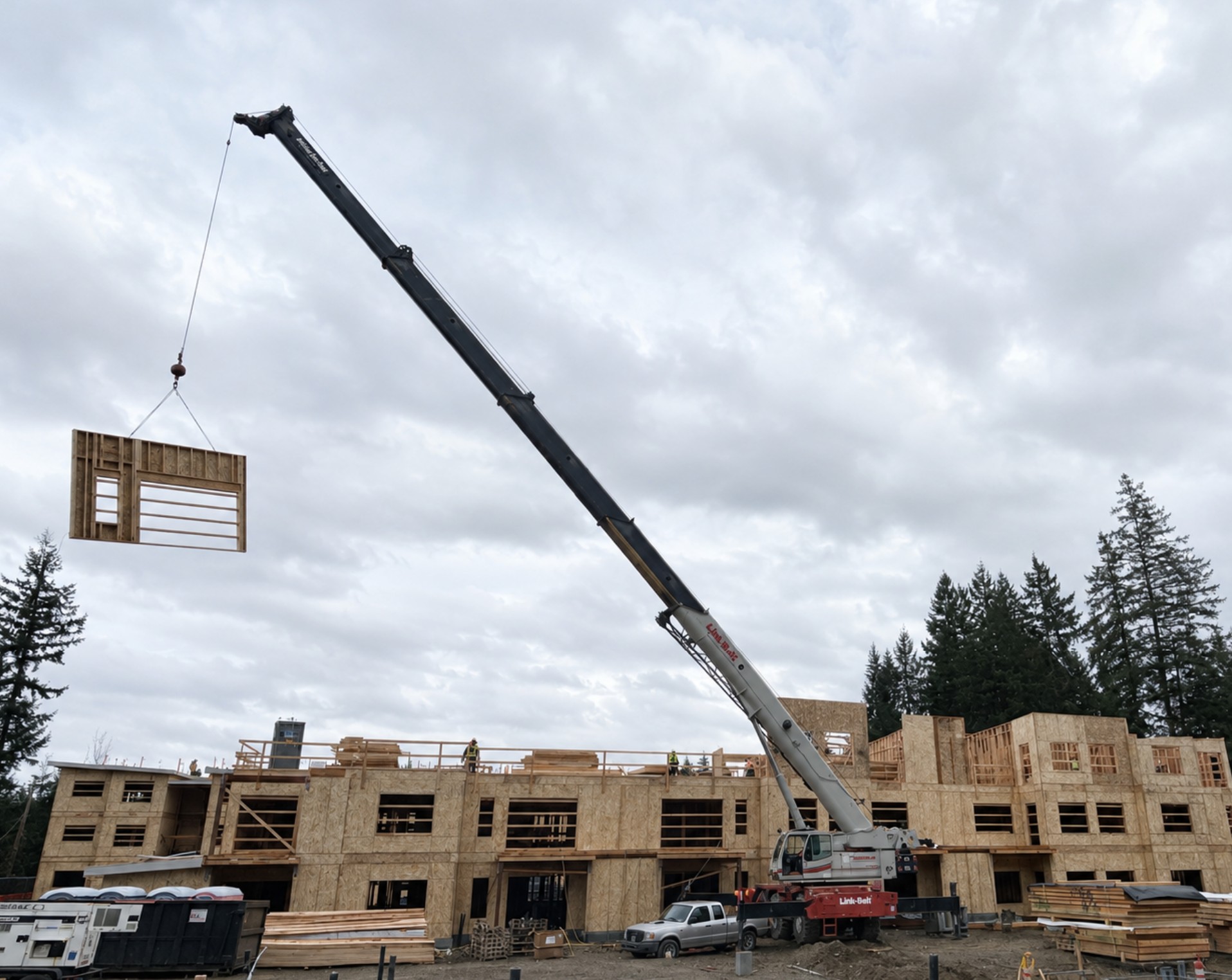
By shifting construction activity out of the field and into controlled manufacturing environments, Craft is using prefabrication, panelization, and modular construction to deliver housing faster, more predictably, and with a workforce that looks different from the one the industry has historically relied on. We sat down with co-founders Jodi and Joshua to talk about what industrialized construction actually means for contractors and developers, and why the window to get ahead of this shift is now.
MASSTAC: You work with developers and GCs who've been building the same way for decades. What's your pitch to them?
CRAFT: The pitch is pretty simple: you can deliver more housing, faster, with fewer surprises. Industrialized construction (panelized systems, modular, mass timber, manufacturing-based production) compresses timelines, reduces waste, and gives you far more predictability on cost and schedule than traditional site work. When labor is tight and project margins are thin, that predictability matters enormously.
We're not asking anyone to abandon what they know. We help teams integrate offsite methods into their existing delivery process, from early planning and design coordination through manufacturing, logistics, and installation. The goal is better project outcomes, not a wholesale reinvention of how you work.
MASSTAC: The labor shortage isn't going away. How does industrialized construction change the equation?
CRAFT: The housing crisis and the workforce crisis are the same crisis. You can't solve one without the other.
Here's what most people don't talk about enough: traditional construction is a hard sell for a lot of potential workers. Schedules shift. Jobsite locations change constantly. Early start times, long commutes, and physical demands create a real barrier for a significant portion of the workforce. That's not a criticism; it's just the reality of site work.
Manufacturing environments change the calculus. Consistent location, predictable schedule, better weather protection, and lower physical demands open the door to workers who would otherwise never consider a construction career. People with varying physical abilities. Parents who need schedule reliability. Young people from communities where construction has never been a visible career path.
Historically, construction has expected workers to adapt to the industry. Industrialized construction gives us an opportunity to design work environments that are more accessible to a broader range of people, while still producing high-quality housing at scale. That's a workforce opportunity we can't afford to overlook.
MASSTAC: What does workforce development actually look like in your work day-to-day?
CRAFT: It starts with exposure. Most young people have never heard the words "panelization" or "mass timber." They picture construction as what they see driving past a jobsite, and that narrow picture means a huge portion of potential talent never even considers the industry.
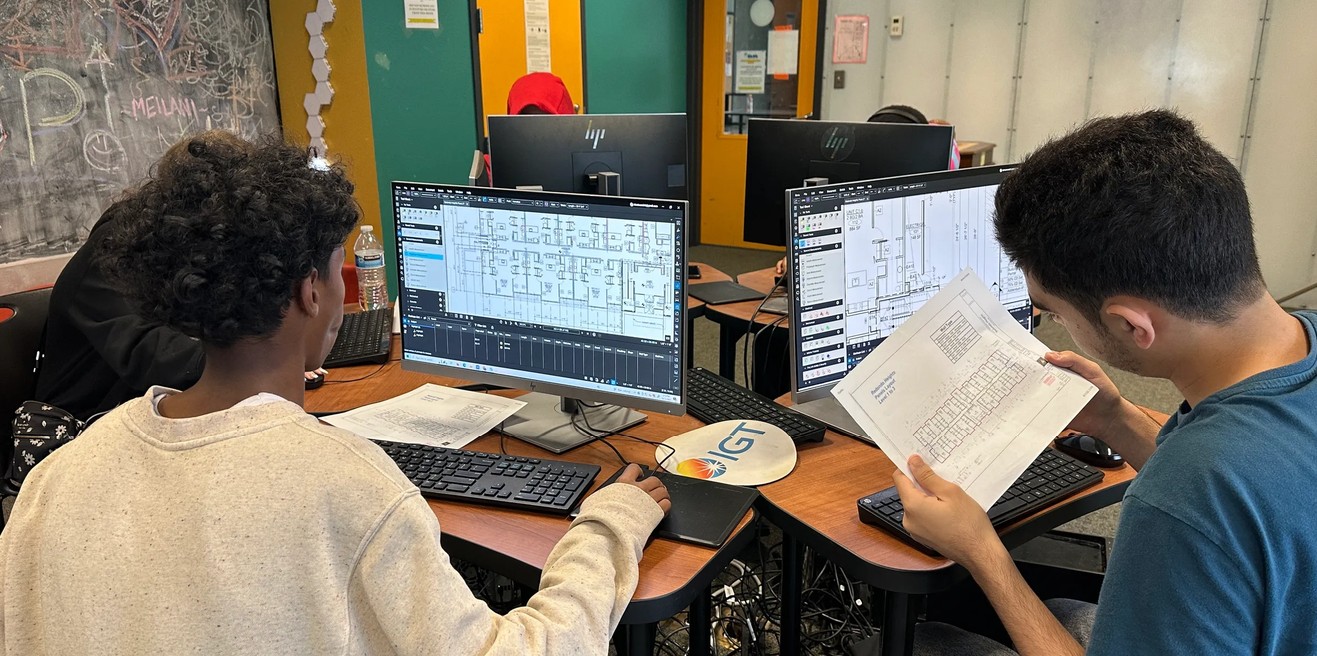
Through our partnership with the Boys & Girls Clubs of King County's YouthForce Foundation Project, supported by the Port of Seattle, we're introducing students to construction math, blueprint reading, estimating, 3D modeling, prefabrication, and sustainable building practices. We work with CTE programs and trade schools to connect students with real manufacturing environments and hands-on experience.
But technical skills are only part of it. The students who succeed long-term are the ones who develop communication, accountability, and problem-solving skills alongside the technical training. We focus on both — because that's what employers actually need, and what apprenticeship programs expect.
MASSTAC: What policy changes would actually move the needle on industrialized housing delivery?
CRAFT: Three things would make an immediate difference.
First, permitting and inspection processes for offsite and modular construction need to catch up with the technology. Inconsistency across jurisdictions creates uncertainty that kills projects before they start. We've been active supporters of SB 6015 and HB 2151, which work to align standards for factory-built housing; that kind of regulatory clarity is foundational.
Second, procurement and financing need to be modernized. Offsite construction front-loads production costs in ways that traditional construction financing wasn't designed to handle. Until that changes, developers face a structural disadvantage for choosing a method that's demonstrably better for schedule and quality.
Third, sustained investment in workforce development, including career-connected learning, apprenticeship readiness, manufacturing training, has to be treated as infrastructure, not a line item that gets cut when budgets tighten.
We're deeply involved in the Washington State Scalable Starter Home Production Plan, where Jodi serves as Workforce Co-Chair and Joshua sits on both the Project Management Committee and Offsite Construction Steering Committee. It's a genuine cross-sector effort across housing developers, manufacturers, tribes, labor, and public agencies, and it's producing actionable strategies. But policy has to follow.
───────
We invite you to learn more or connect with Craft Contracting & Consulting at craftcontracting.net or reach out directly to explore how industrialized construction methods can work for your next project.